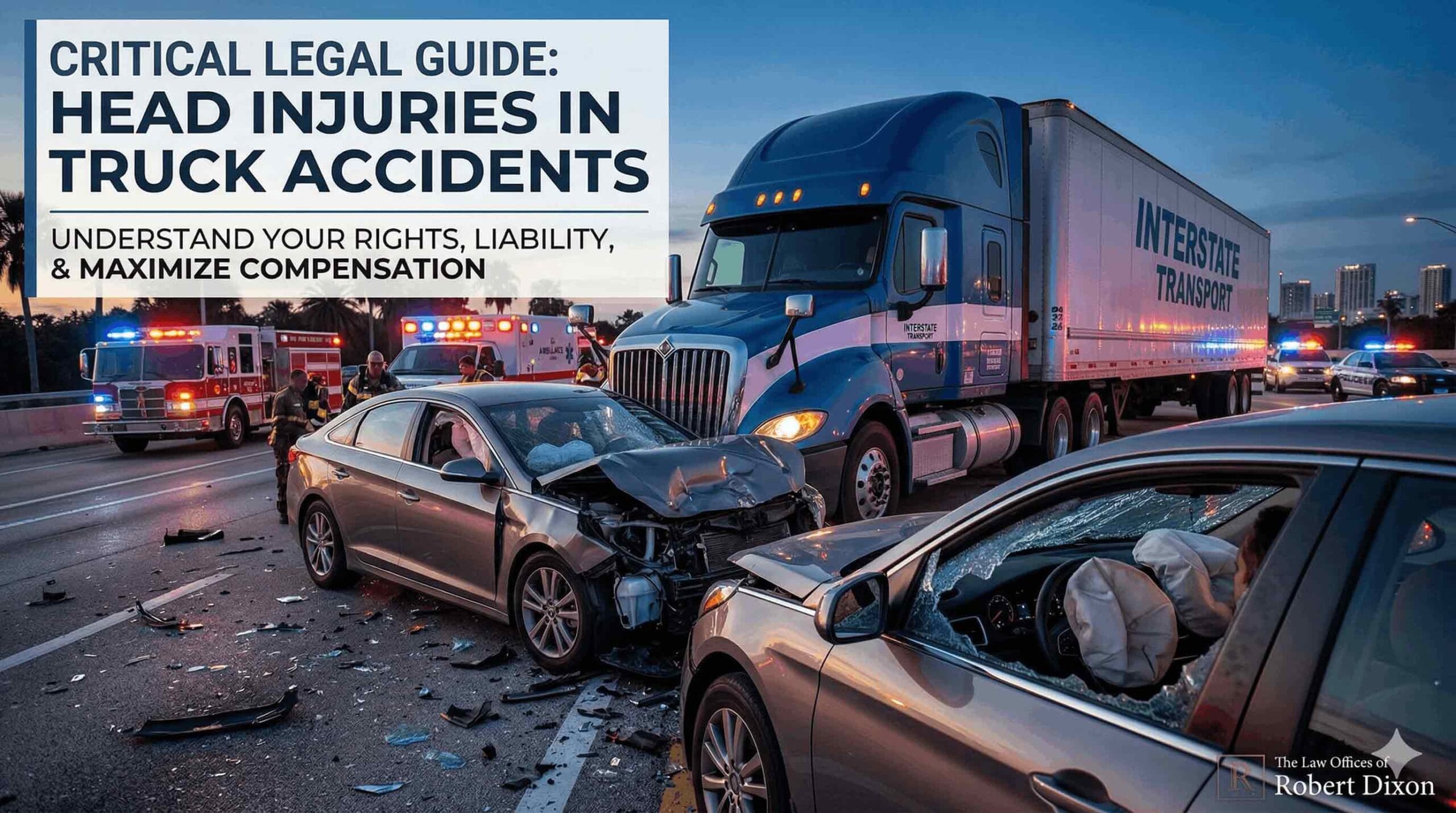
Any collision with a commercial vehicle is likely to cause serious harm, but tanker truck accidents introduce an entirely different level of catastrophic risk. When a massive truck is carrying highly flammable, hazardous, or pressurized liquid cargo, the potential for life-altering injuries or fatalities drastically increases. The trauma following these wrecks can leave victims and their families feeling overwhelmed, confused, and financially strained.
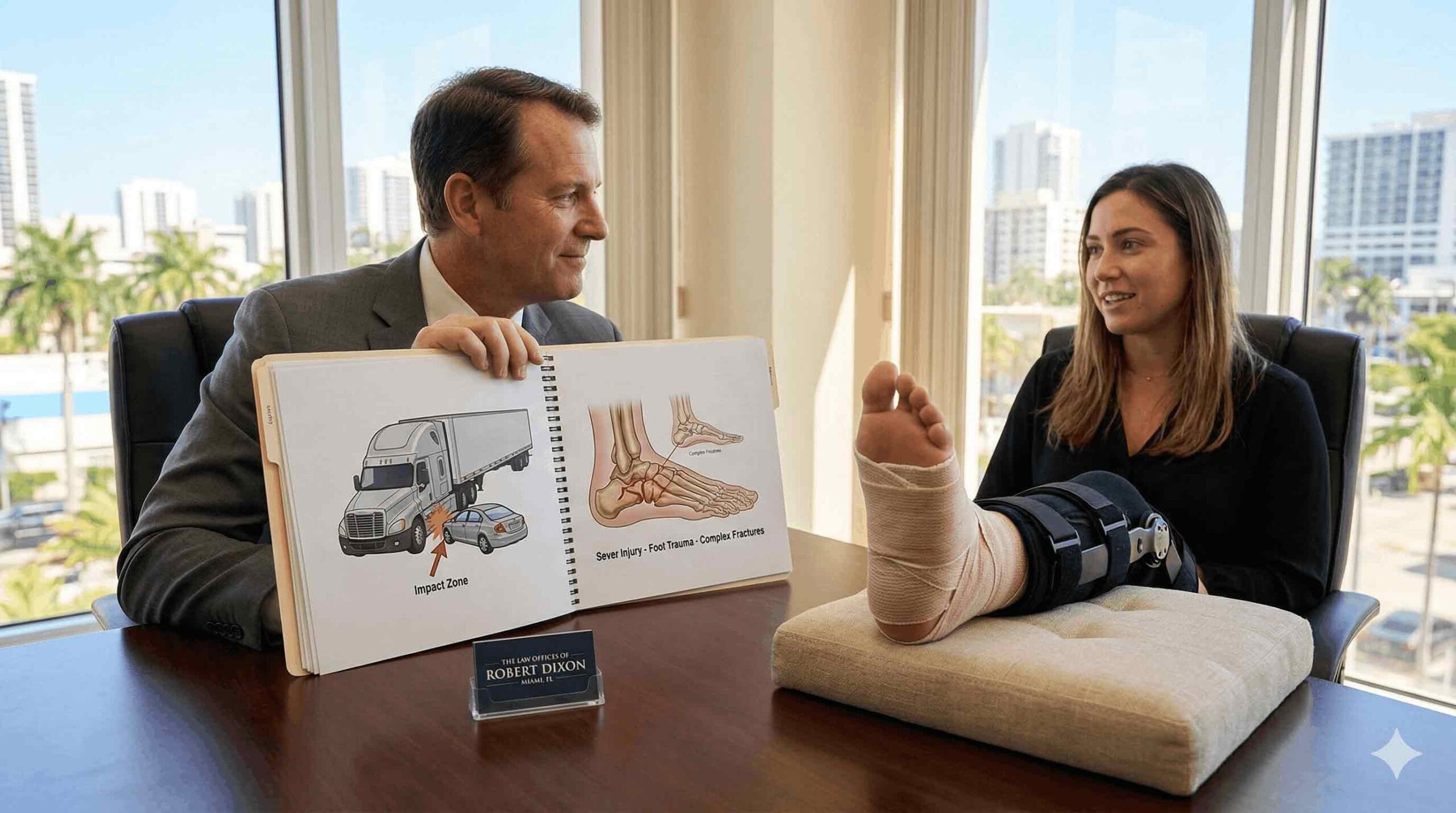
You do not have to endure this devastating aftermath on your own. The dedicated team at the Law Offices of Robert Dixon can assist South Florida residents who have been hurt or lost loved ones due to the carelessness of commercial drivers. We are fiercely committed to making sure that those responsible for your injuries or needless losses of life are held legally accountable.
Why Tanker Truck Accidents Are Uniquely Dangerous
While standard truck accidents are devastating due to the sheer size and weight of the vehicles, tankers pose unique threats to public safety on Florida highways. The very nature of their cargo and design makes them highly unstable and incredibly dangerous when mismanaged.
Hazardous Materials and Toxic Cargo
Tankers frequently transport dangerous goods, including gasoline, industrial chemicals, corrosive liquids, and pressurized gases. When a crash occurs, these materials can easily leak or ignite. This creates an immediate risk of violent explosions, massive chemical fires, and toxic exposure for everyone in the vicinity.
The Danger of “Slosh” and “Surge”
Unlike solid freight, liquid cargo moves independently within the tank. If a tank is not filled to capacity, the liquid can crash back and forth (“surge”) or side to side (“slosh”) during transit. This dynamic shifting of weight can easily cause a driver to lose control, pushing the truck into adjoining lanes or causing a devastating rollover.
Common Causes of Tanker Truck Accidents
Although no two crashes are exactly the same, our legal team routinely uncovers similar patterns of negligence in these complex cases. Commercial drivers and trucking companies are bound by strict safety regulations, and when they cut corners, innocent motorists pay the price.
Common causes include:
Improper Loading: Failing to properly load or baffle a tanker’s liquid cargo creates extreme weight shifting and inherent instability.
Maneuverability Limitations: The sheer size and awkward shape of tankers severely limit their maneuverability, making tight turns, sudden stops, and certain roadways incredibly dangerous.
Braking System Failures: The specialized air brake systems used on tanker trucks require specific training. Inexperienced drivers may easily misjudge stopping distances or overheat the brakes.
Equipment Neglect: Deferred maintenance and outright equipment failures—such as worn tires or faulty hitch mechanisms—frequently lead to catastrophic highway blowouts.
Driver Fatigue and Distraction: Federal laws limit how many hours a trucker can drive, but strict deadlines often push drivers to operate while exhausted or distracted.
Types of Injuries Sustained in Tanker Truck Accidents
Because of the massive forces and hazardous materials involved, victims rarely walk away with minor scrapes. The physical, emotional, and financial toll of these injuries is often permanent.
Victims routinely suffer from:
Severe Thermal and Chemical Burns: Explosions and chemical spills can cause third-degree burns that require painful skin grafts and long-term reconstructive surgery.
Traumatic Brain Injuries (TBI): The violent impact of a collision can cause bleeding, swelling, or severe concussions that permanently alter cognitive function.
Spinal Cord Trauma: Crushing forces frequently lead to fractured vertebrae, resulting in partial or complete paralysis.
Amputations and Disfigurement: Mangled metal and severe trauma often necessitate the surgical removal of limbs.
Wrongful Death: Tragically, many victims do not survive the extreme violence of a tanker explosion or rollover.
How Liability is Determined in Tanker Truck Accidents
Securing compensation after a wreck requires a deep understanding of complex legal concepts. To establish liability, a victim must successfully prove that the defendant breached their legal duty of care.
Establishing a Breach of Duty and Negligence
Every driver is legally bound to act as a reasonable and prudent person would under similar circumstances. For commercial truck drivers, this duty goes even further; they must adhere to thousands of complex state and federal trucking regulations. If a driver or their employer is found to be in violation of these regulations, they are generally considered to have breached their duty of care.
For a victim to prevail in a negligence claim, this breach must be the direct, foreseeable cause of the crash. Furthermore, the injured person must successfully demonstrate that they incurred actual damages—such as medical bills or lost wages—as a direct result.
Multiple Liable Parties
Unlike standard car crashes, commercial trucking claims often involve a web of corporate liability. Responsible parties may include the truck driver, the trucking company, the cargo loaders, the mechanics who serviced the truck, or even the manufacturer of defective parts. We aggressively investigate all avenues of liability to maximize your financial recovery.
Preventing the Spoliation of Evidence
Due to the high stakes of these legal actions, the spoliation of evidence is a massive factor to consider. Spoliation occurs when key evidence—such as dashcam footage, electronic logging devices (ELDs), or maintenance records—is altered, destroyed, or “lost” by the trucking company to avoid liability.
If spoliation is discovered, courts may institute severe sanctions against the culpable parties. This can include entering default judgments against the trucking company, striking their legal pleadings, or dismissing their defenses entirely. Our attorneys immediately send strict preservation letters to halt any destruction of vital evidence.
Navigating Comparative Negligence
Insurance companies will often try to blame you for the crash to reduce their financial payout. Florida operates under comparative negligence laws, meaning your final compensation can be reduced by your percentage of fault. Having a skilled attorney on your side is critical to fighting back against these unfair blame-shifting tactics.
Steps to Take After a Tanker Truck Crash
The moments following a severe collision are chaotic and terrifying. However, the actions you take immediately after the crash can significantly impact your health and your future legal claim.
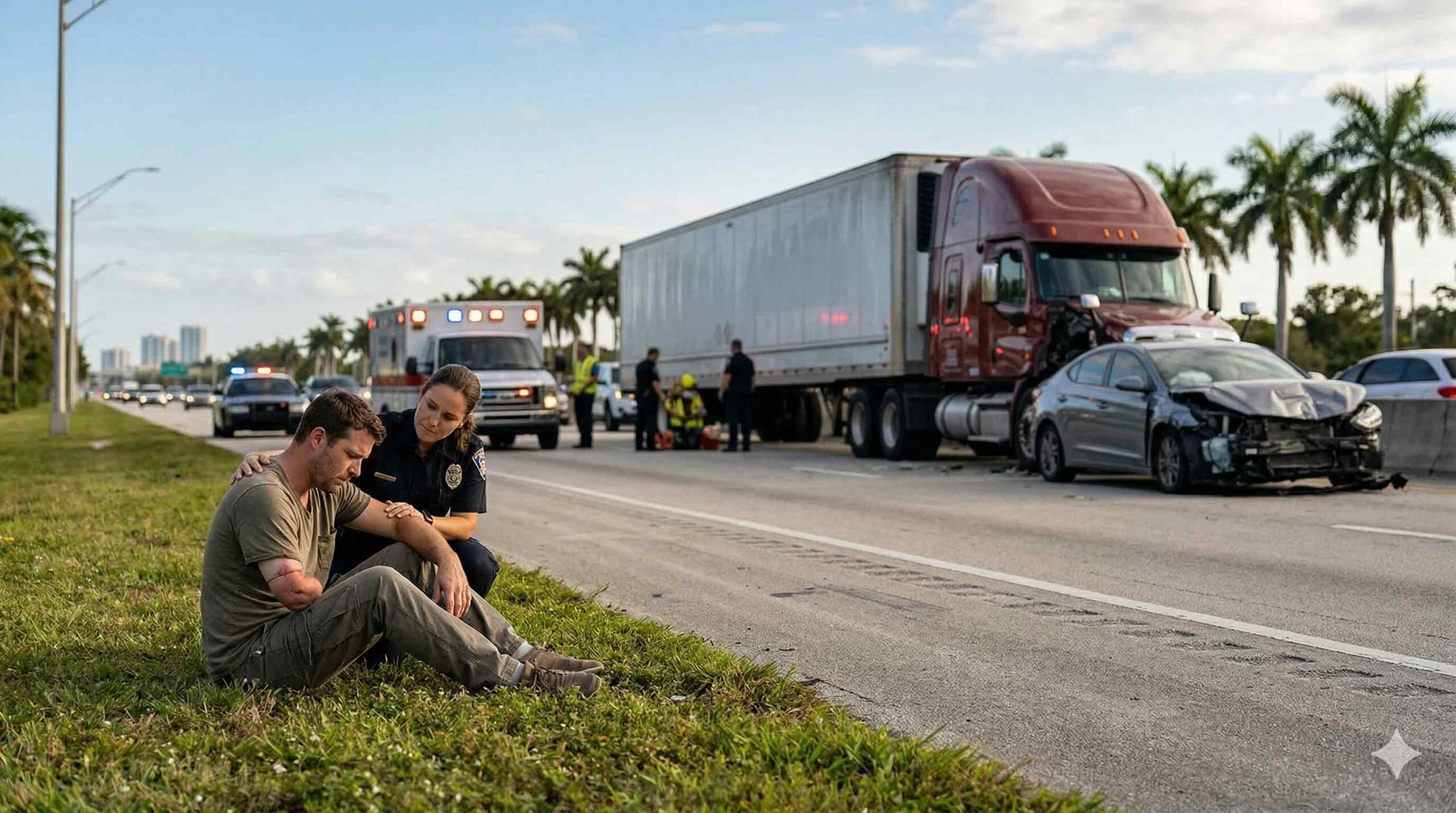
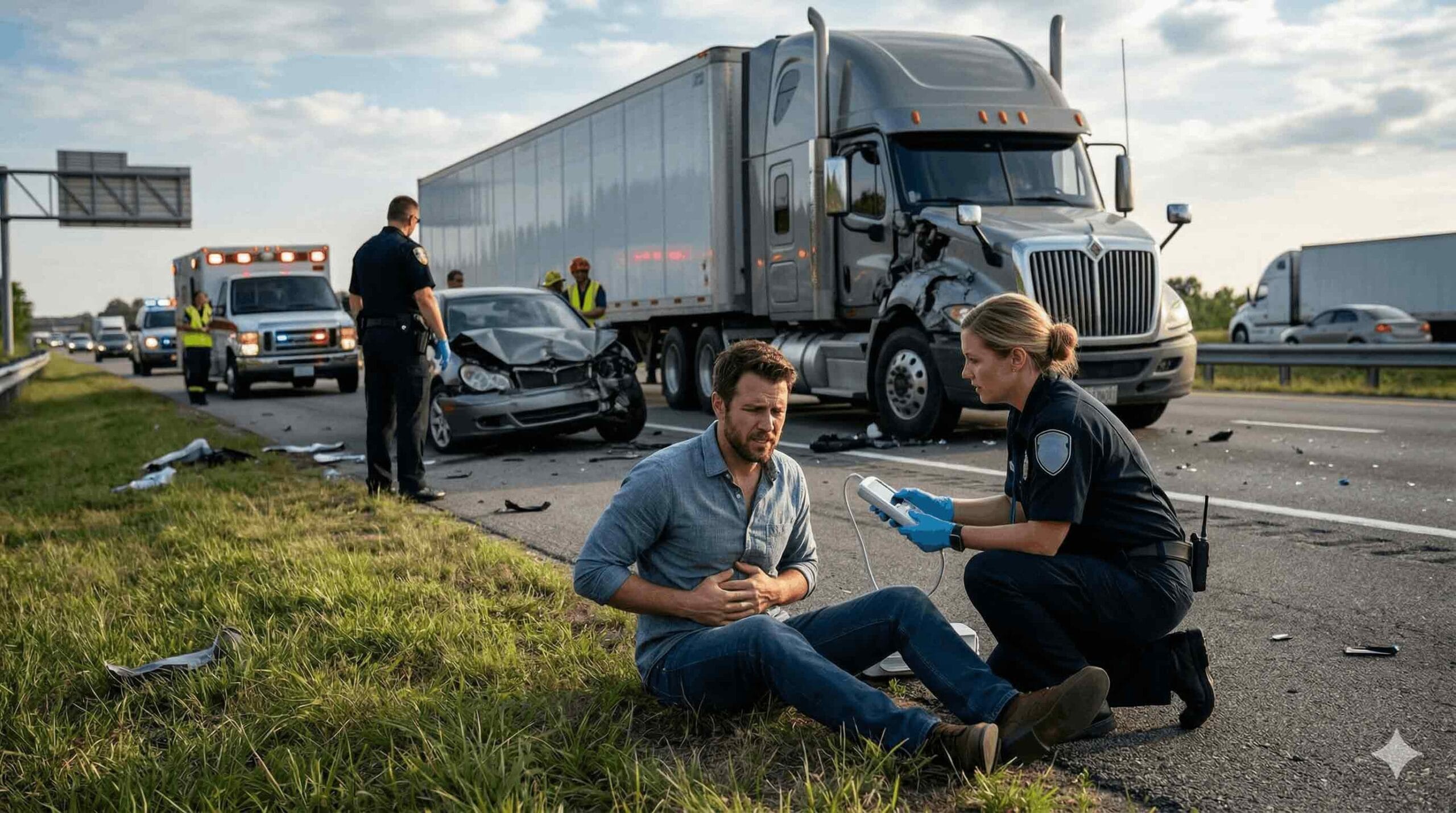
Seek Immediate Medical Attention: Your health is the absolute priority. Even if you feel “fine,” adrenaline can mask severe internal bleeding or traumatic brain injuries. Go to the emergency room immediately.
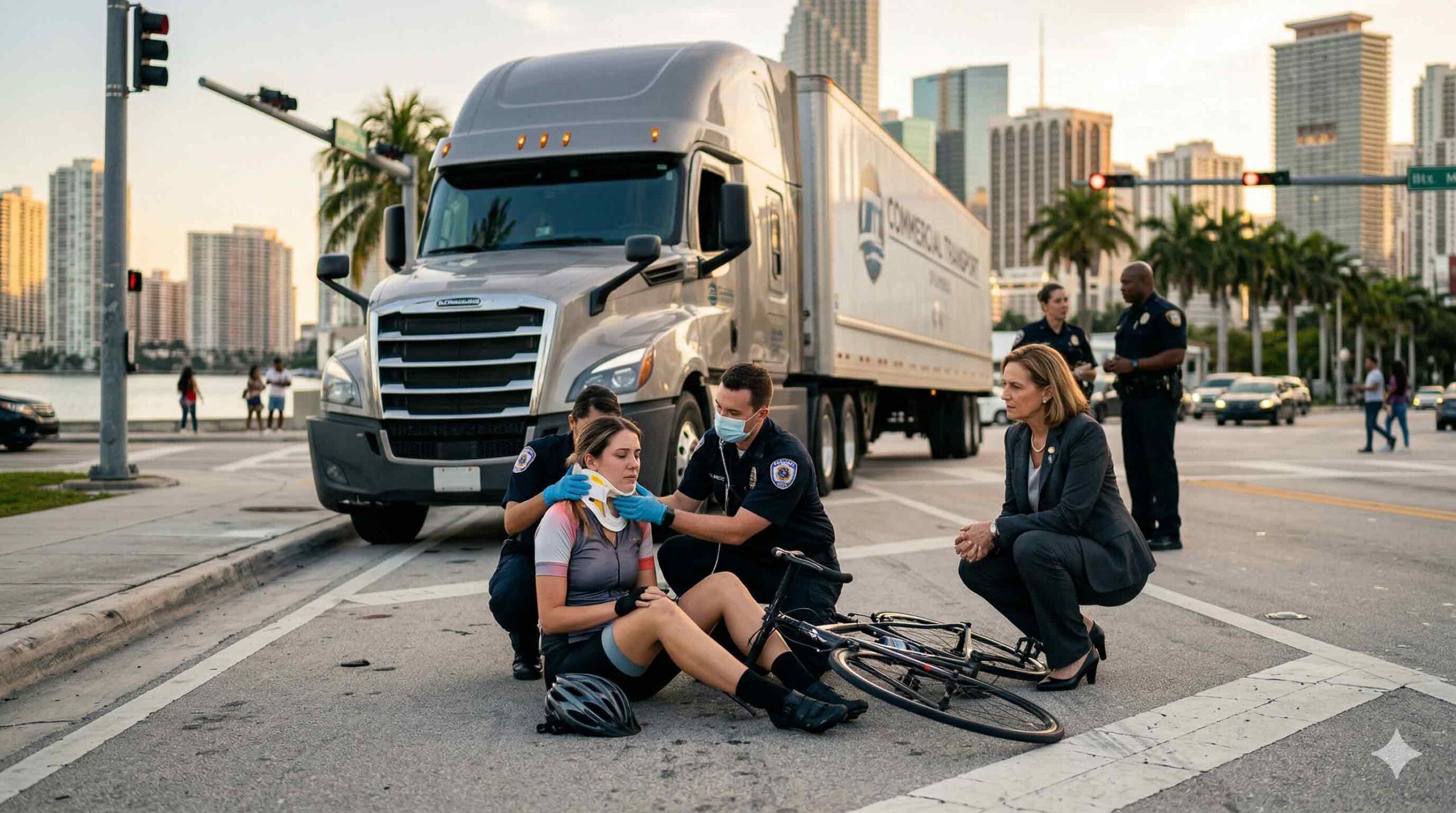
Call Law Enforcement: A police officer will secure the hazardous scene and generate an official crash report, which is a vital piece of evidence for your claim.
Document the Scene: If you are physically able to do so safely, take wide-angle and close-up photos of the vehicles, skid marks, road conditions, and any spilled cargo.
Gather Witness Information: Collect the names, phone numbers, and addresses of anyone who saw the crash happen. Independent witnesses can make or break a liability dispute.
Do Not Speak to Insurance Adjusters: The trucking company’s insurance adjusters will call you quickly, pretending to help. Do not give a recorded statement or accept a fast settlement without consulting your attorney.
Compensation Available for Crash Victims
Once negligence is proven, the law allows victims to pursue comprehensive compensation to make them “whole” again. While no amount of money can erase the trauma, a successful personal injury lawsuit provides financial security for your recovery.
Economic and Non-Economic Damages
Victims are entitled to economic damages, which cover verifiable financial losses like past and future medical costs, rehabilitation expenses, and lost earning capacity. You can also recover non-economic damages, which provide financial relief for the profound pain, suffering, emotional anguish, and loss of enjoyment of life you have endured.
In the most tragic cases, surviving family members may pursue a wrongful death lawsuit. This legal action seeks compensation for funeral and burial expenses, loss of financial support, and the loss of the deceased’s companionship.
The Statute of Limitations
You do not have unlimited time to seek justice. The statute of limitations is a strict legal deadline imposed by the state that dictates how long you have to file a lawsuit. If you miss this crucial window, you will permanently lose your right to recover any compensation, regardless of how severe your injuries are. Evidence disappears quickly, so it is imperative to secure legal representation immediately.
Contact a Trusted Miami Tanker Truck Accident Attorney Today
Drivers who fail to exercise proper care on South Florida roadways must be held accountable for the devastation they cause. You do not have to navigate the complex legal system alone while struggling to recover from severe injuries.
Let the skilled, empathetic team at the Law Offices of Robert Dixon handle the insurance companies and aggressively fight for the maximum compensation you deserve. We will protect your rights and fight tirelessly for your future.