Driving in South Florida’s unpredictable weather can be terrifying, as a sudden downpour can instantly turn a familiar highway into a highly dangerous, slick surface. When a vehicle’s tires lose contact with the road, hydroplane & aquaplane car accidents can happen in mere seconds, leaving occupants completely out of control.
If you or a loved one have been severely injured because a negligent driver failed to adjust to the weather, or because a municipality failed to maintain safe roadways, you deserve justice. You should not have to bear the immense financial and physical burdens of a crash caused by someone else’s carelessness.
Understanding Hydroplane & Aquaplane Car Accidents
What exactly happens when a vehicle loses traction on a wet road? Hydroplaning occurs when a layer of water builds up between a vehicle’s tires and the surface of the pavement.
This trapped water creates a physical barrier, literally lifting the tires off the asphalt. As a result, the driver instantly loses the ability to steer, brake, or safely accelerate. The vehicle effectively becomes a massive, unguided projectile traveling at high speeds.
While “aquaplaning” is a term more commonly used internationally to describe this terrifying loss of traction, the mechanics and the disastrous results are completely identical. In Florida, where sudden thunderstorms and heavy torrential rainfall are a daily reality, these dangerous incidents are a leading cause of catastrophic highway collisions.
The Physics of Losing Traction
Tire tread is purposefully engineered with deep grooves designed to continuously disperse water out from beneath the tire. However, as vehicle speed increases, the tire has less time to push that water away.
When the water depth exceeds the tire tread’s physical capacity to channel it, the water pressure lifts the rubber directly off the road. You are no longer driving; you are essentially waterskiing on a thin, frictionless layer of water. This is why even a quarter-inch of standing water can be deadly at highway speeds.
Common Causes of Hydroplane & Aquaplane Car Accidents
Many drivers mistakenly believe that these violent crashes are simply “acts of God” or unavoidable weather-related tragedies. However, human error and reckless negligence are almost always the true underlying culprits.
When drivers fail to respect the elements or government entities neglect proper road upkeep, tragedy strikes innocent people. The most frequent causes of these crashes include:
Excessive Speed: Driving far too fast for the wet conditions is the primary cause of these crashes. When a vehicle exceeds 35 mph on a soaked road, the tires struggle immensely to scatter water effectively.
Poor Tire Maintenance: Bald tires with severely worn tread simply cannot channel water away from the contact patch. Driving on improperly inflated or completely bald tires in South Florida is a severe act of negligence.
Defective Roadway Conditions: Standing water due to clogged storm drains, massive potholes, and improperly graded asphalt prevents water from draining. This creates hidden hazards for unsuspecting drivers.
Distracted Driving: Texting, talking, or looking away from the road significantly delays a driver’s reaction time. By the time a distracted driver realizes they have hit a deep puddle, it is far too late to safely correct the vehicle.
Abrupt Driving Maneuvers: Slamming on the brakes or aggressively jerking the steering wheel while driving through standing water will instantly send a vehicle into an uncontrollable, violent spin.
Devastating Injuries Sustained in Wet Weather Crashes
Because hydroplaning vehicles often travel at highway speeds with absolutely zero braking capacity, the resulting impacts are exceptionally violent. Victims are frequently subjected to massive multi-car pileups or catastrophic, head-on collisions with concrete barriers.
The physical trauma from these sudden, high-impact crashes can alter a victim’s life forever. Common injuries our legal team sees include:
Traumatic Brain Injuries (TBIs): The violent jolting of a crash can cause severe concussions, brain bleeding, or permanent cognitive damage. These injuries often require lifelong medical care and specialized rehabilitation.
Spinal Cord Damage: Severe whiplash and blunt force trauma can fracture delicate vertebrae or sever the spinal cord. This frequently leads to chronic, debilitating back pain or permanent partial paralysis.
Internal Organ Damage: The immense physical pressure of a seatbelt or a steering wheel during a high-speed collision can crush internal organs. This often causes severe, life-threatening internal bleeding.
Crush Injuries and Amputations: Crumpled vehicle frames can easily trap occupants inside the wreckage. This leads to devastating compound bone fractures and the potential surgical loss of limbs.
How Liability is Determined in Hydroplane & Aquaplane Car Accidents
After a severe weather-related crash, aggressive insurance companies will immediately try to blame the rain. They want you to believe that no one is legally at fault so they can deny your claim.
However, drivers and government entities still owe a strict duty of care to others, regardless of the local weather forecast. Establishing liability means proving that someone’s specific negligence directly caused your suffering.
Understanding the Duty of Care
Every motorist has a fundamental legal “duty of care” to operate their vehicle safely and responsibly. Crucially, this duty must adapt to the surrounding environment. If it is pouring rain, the duty of care strictly requires drivers to slow down, turn on their headlights, and vastly increase their following distance.
When a reckless driver speeds through a flooded intersection and loses control of their vehicle, they have breached their duty of care. Their blatant failure to adapt to the hazardous weather conditions is an undeniable act of negligence.
Government and Municipal Liability
Sometimes, the at-fault party is not another driver, but the specific government entity responsible for maintaining the roadway. If a major highway has a documented history of severe pooling water due to poor drainage, the local government or a private maintenance contractor may be held legally liable.
However, suing a government entity in the state of Florida involves incredibly complex legal hurdles and very strict notice requirements. You need an elite, aggressive legal team to successfully navigate sovereign immunity laws and hold these massive agencies accountable.
Navigating Florida’s Complex Legal Framework
Handling the immediate aftermath of a collision requires a deep, tactical understanding of Florida’s specific legal statutes. Insurance adjusters will try to weaponize these laws to minimize your rightful financial payout.
Modified Comparative Negligence
Florida currently operates under a strict “modified comparative negligence” legal system. This means that financial fault can be shared among multiple parties involved in the crash. The defense will likely try to argue that you were partially to blame—perhaps falsely alleging you braked too hard or were distracted.
Under this law, your total financial compensation is directly reduced by your assigned percentage of fault. If the court deems you 20% responsible, your final award is reduced by exactly 20%. Critically, if you are found to be more than 50% at fault, you are legally barred from recovering any compensation at all. ### The Statute of Limitations The legal system does not give you unlimited time to seek justice and compensation. The statute of limitations sets a very strict, non-negotiable legal deadline for filing a personal injury lawsuit.
In Florida, the law was recently changed regarding negligence claims. For accidents occurring after March 24, 2023, you now have only two years from the exact date of the crash to file your lawsuit. If you miss this vital window, you forfeit your right to seek financial recovery entirely.
Critical Steps to Take After an Accident
The sheer chaos following a severe crash can be incredibly overwhelming and disorienting. However, the exact actions you take at the scene are critical for protecting your health and preserving vital evidence for your legal claim.
Take these essential, immediate steps if you are ever involved in a wet-weather collision:
Seek Medical Attention Immediately: Adrenaline can easily mask severe, life-threatening internal injuries. Allow paramedics to examine you at the scene, and go directly to the emergency room. A prompt, official medical record is the absolute foundation of your injury claim.
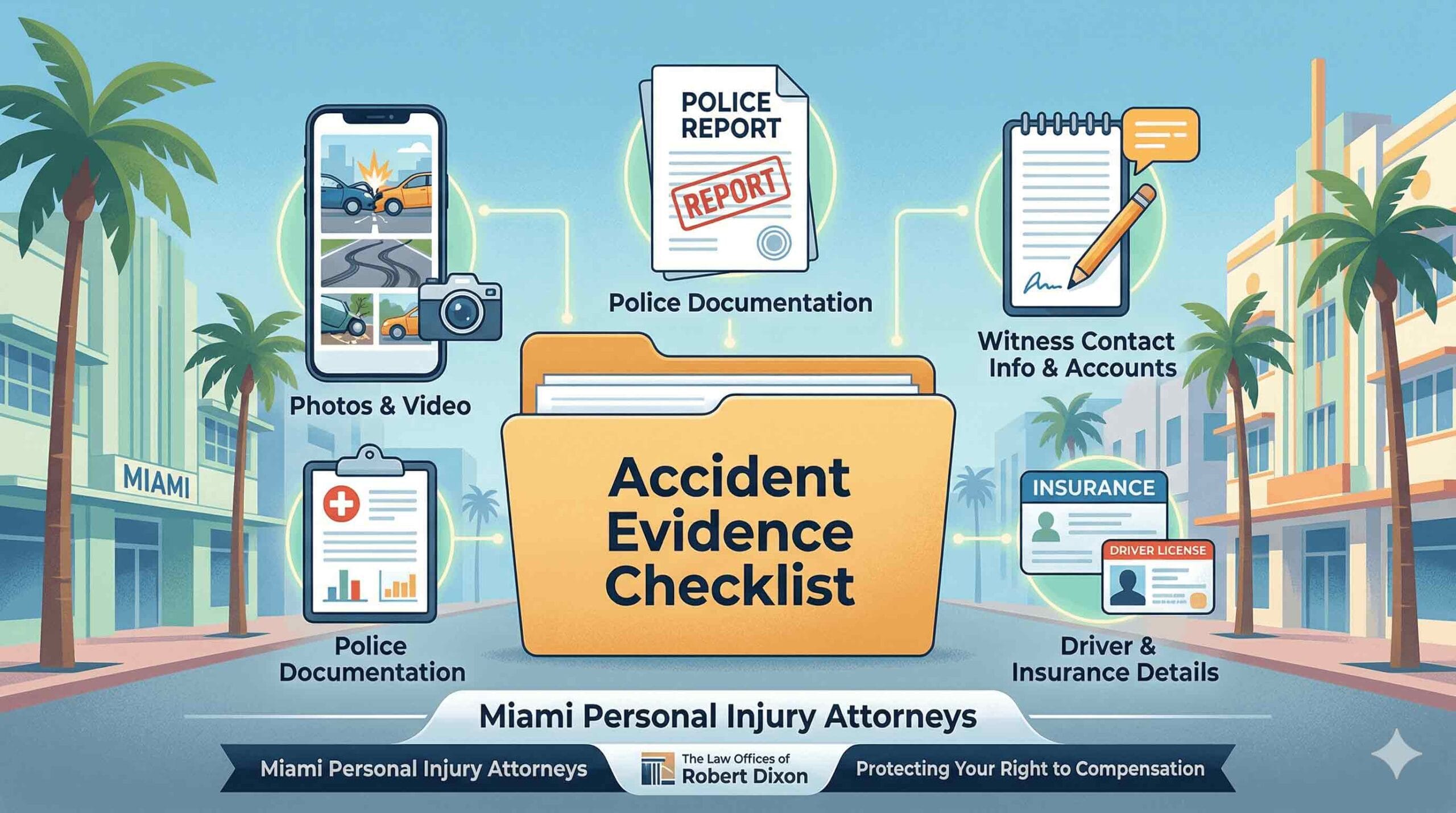
Call 911 Promptly: Law enforcement must secure the dangerous scene and draft an official crash report. This vital report will document the exact weather conditions, the road layout, and any potential traffic citations issued to the at-fault driver.
Document the Scene Visually: If you are physically able, use your smartphone to take wide-angle photos and videos of the entire crash site. Capture clear images of the standing water, the other driver’s tires (to check for bald treads), and all vehicle property damage.
Gather Witness Information: Bystanders who actively saw the other driver speeding before they hydroplaned are invaluable to your case. Collect their full names, phone numbers, and email addresses immediately before they leave the area.
Never Give a Recorded Statement: The at-fault driver’s insurance company will call you very quickly after the crash. They are highly trained to trick you into admitting partial fault. Firmly decline their request for a statement and direct all their calls to your attorney.
Compensation You Can Recover
A severe crash does vastly more than just total your vehicle; it derails your entire life and financial stability. The ultimate goal of a personal injury claim is to secure the maximum financial compensation needed to make you “whole” again.
Depending on the specific severity of your crash, you may be fully entitled to recover damages for:
Past and Future Medical Expenses: This covers everything from costly ambulance rides and emergency surgeries to lifelong physical therapy and necessary medical equipment.
Lost Wages: Direct reimbursement for the paychecks you missed while hospitalized and recovering at home.
Loss of Earning Capacity: If your severe injuries leave you permanently disabled and unable to return to your chosen career path, you can be compensated for future lost income.
Pain and Suffering: Substantial compensation for your physical agony, emotional trauma, PTSD, and the overall loss of enjoyment of your life.
Contact a Trusted Miami Hydroplane & Aquaplane Car Accidents Attorney Today
Drivers who fail to exercise proper care on South Florida roadways must be held accountable for the devastation they cause. You do not have to navigate the complex legal system alone while struggling to recover from severe injuries.
Let the skilled, empathetic team at the Law Offices of Robert Dixon handle the insurance companies and aggressively fight for the maximum compensation you deserve. We will thoroughly investigate the scene, preserve the necessary evidence, and build a powerhouse case to protect your future.