The Hidden Dangers on South Florida Roads
Navigating the bustling highways of South Florida is challenging enough under perfect conditions. With sudden, variable weather patterns, constant highway construction, and a dense population, the roads demand high levels of visual acuity.
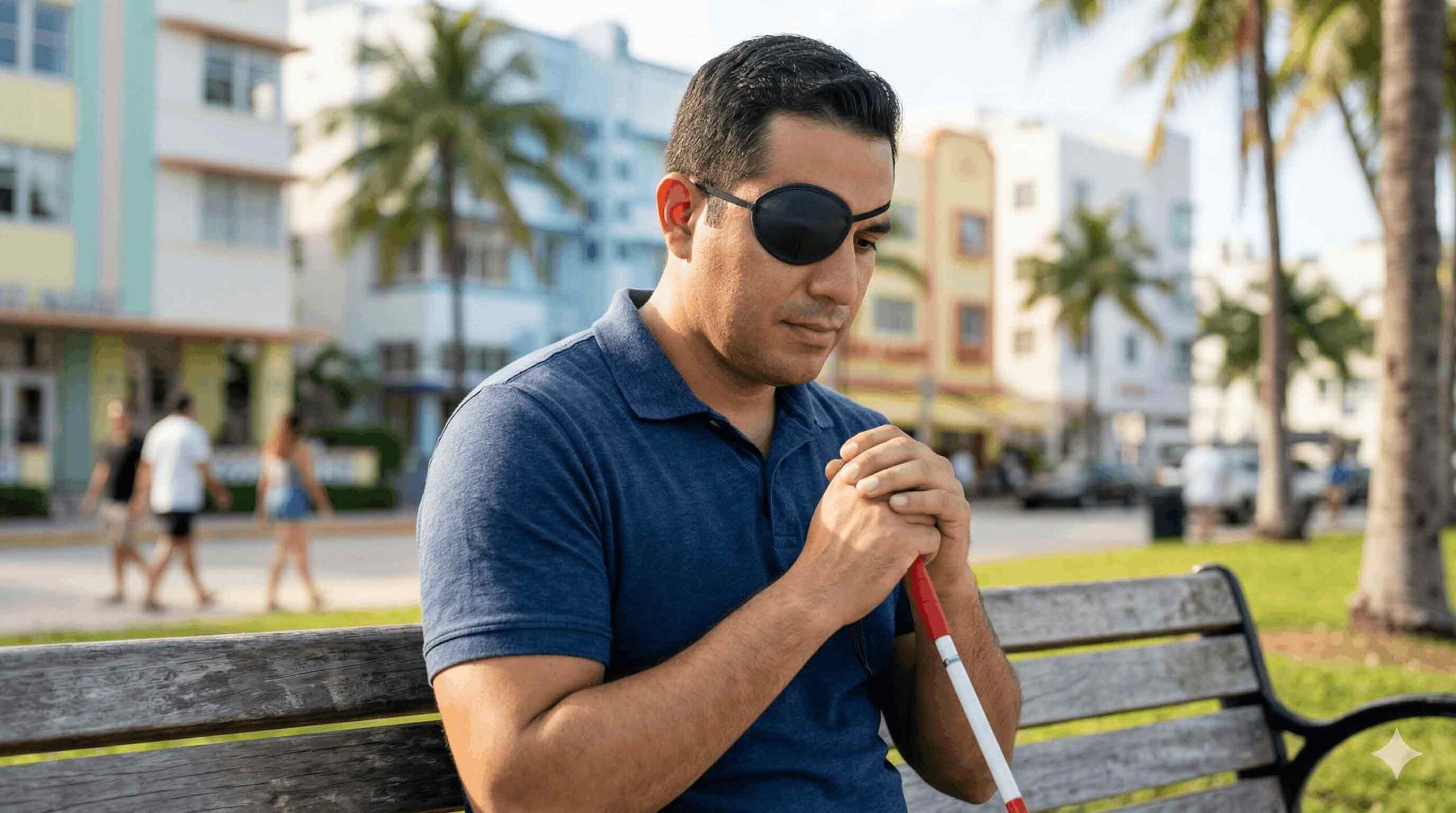
When motorists fail to ensure they can see properly, the likelihood of Accidents Involving Vision-Impaired Drivers grows exponentially. People who take to the road knowing they have compromised eyesight are an immediate danger to everyone around them. This reckless behavior threatens other motorists, bicyclists, and innocent pedestrians in crosswalks.
If you were injured because another motorist could not clearly see the road, you are likely feeling overwhelmed, in pain, and stressed about mounting medical bills. The aftermath of a severe car accident is a traumatic experience, but you do not have to endure it alone. You have the right to seek justice, and negligent drivers must be held accountable for the physical and financial harm they cause.
Common Causes of Accidents Involving Vision-Impaired Drivers
Driving is a highly visual task. It requires depth perception, peripheral awareness, and the ability to distinguish colors and read signs from a distance. When visual impairments are ignored, the consequences are often catastrophic.
A driver’s vision can be compromised in several different ways, many of which involve entirely preventable negligence.
Failure to Wear Corrective Lenses
Many drivers have specific restrictions on their driver’s licenses requiring them to wear prescription glasses or contact lenses. Failing to wear prescribed corrective lenses is one of the most common causes of these specific collisions. Whether they simply forgot their glasses or chose not to wear them, this decision constitutes severe negligence.
Ignoring Age-Related Vision Decline
As people age, their visual acuity naturally degrades. Conditions such as cataracts, glaucoma, and macular degeneration can develop slowly, sometimes without the driver fully realizing the extent of their impairment. However, continuing to drive when vision has clearly deteriorated puts the public at massive risk.
Medication Side Effects
Certain prescription medications, over-the-counter drugs, and eye drops can cause temporary blurred vision or increased light sensitivity. Drivers who get behind the wheel while experiencing these adverse visual side effects are acting recklessly.
Night Blindness and Poor Lighting
Some visual impairments are dramatically worsened by the dark. Night blindness affects a driver’s ability to recognize colors, judge depth perception, and recover from the glare of oncoming headlights. A driver who knows they struggle to see at night but chooses to drive anyway can be held liable for resulting crashes.
Types of Injuries Sustained in These Severe Collisions
When a driver cannot see, they fail to brake in time, drift into oncoming traffic, or strike vulnerable pedestrians. Because these drivers often do not perceive the hazard at all, they rarely take evasive action, leading to high-impact, full-force collisions.
Victims of these preventable accidents frequently suffer life-altering trauma.
Catastrophic Physical Harm
The violent kinetic forces of a crash can devastate the human body. Common injuries documented in these cases include:
Traumatic Brain Injuries (TBIs): Ranging from severe concussions to permanent cognitive impairment, TBIs often require lifelong medical care.
Spinal Cord Damage: Herniated discs, fractured vertebrae, and nerve damage can result in chronic pain, partial paralysis, or total loss of mobility.
Complex Fractures: High-speed impacts frequently cause crushed or shattered bones, requiring surgical repair and the insertion of metal hardware.
Internal Organ Damage: Blunt force trauma from seatbelts and airbags can lead to internal bleeding, requiring emergency, life-saving surgery.
How Liability is Determined in Accidents Involving Vision-Impaired Drivers
To successfully pursue a personal injury claim, your legal team must clearly establish that the at-fault driver acted negligently. In legal terms, negligence involves proving specific elements.
We handle the heavy lifting of building this legal framework so you can focus entirely on your physical recovery.
Establishing a Duty of Care and Breach
Every motorist in Florida owes a Duty of Care to everyone else on the road. This means they have a legal obligation to act as a reasonable, prudent driver would under similar circumstances.
When a driver gets behind the wheel knowing their eyesight is limited—or without wearing mandatory prescription glasses—they commit a Breach of Duty. Operating a vehicle while visually impaired is objectively unreasonable. If that breach caused your injury and resulted in quantifiable losses, the driver is legally liable.
Proving Vision Impairment
Investigating and proving that poor eyesight caused a crash requires specialized legal strategies. Our team aggressively seeks the truth by:
Checking the police report and driver’s license for corrective lens restrictions.
Subpoenaing optometrist or ophthalmologist records to uncover a history of degenerative eye conditions.
Reviewing the timeframe between the driver’s last professional eye exam and their license renewal.
Investigating pharmacy records to determine if the driver was taking medications known to cause blurred vision.
Understanding Modified Comparative Negligence
Florida operates under a Modified Comparative Negligence system. Insurance companies will often try to use this law to blame you for the accident.
Under this rule, your compensation can be reduced by your percentage of fault. Importantly, if you are found to be more than 50% responsible for the crash, you cannot recover any compensation from the other party. Having an aggressive legal advocate is essential to protect you from unfair blame and maximize your payout.
Essential Steps to Take After an Accident
The actions you take in the immediate aftermath of a collision are critical to protecting your health and preserving your legal rights. If you are involved in a crash, follow these crucial steps.
Protect Your Health and Gather Evidence
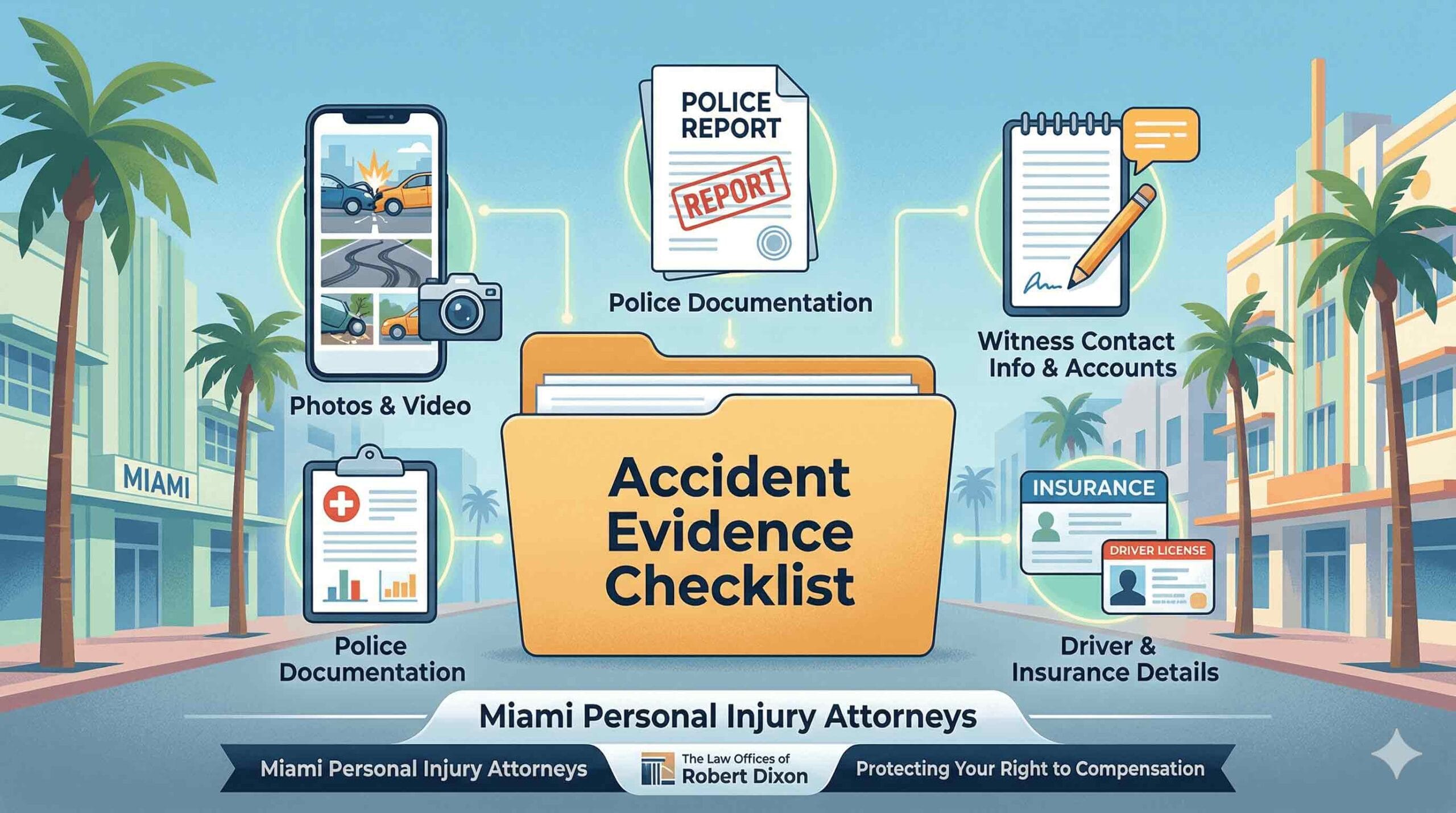
Call 911 Immediately: Always request a police presence. A formal crash report is a foundational piece of evidence for your claim.
Seek Emergency Medical Care: Go to the emergency room or an urgent care clinic immediately. In Florida, you must seek treatment within 14 days to utilize your Personal Injury Protection (PIP) benefits.
Document the Crash Scene: If you are physically able, use your phone to take photos of all vehicles, skid marks, road conditions, and any visible injuries.
Look for Glasses: Note whether the other driver was wearing glasses after the crash, or if glasses were found inside their vehicle. Share this observation with the responding officer.
Collect Witness Contacts: Independent witnesses who saw the driver drifting or driving erratically are invaluable to proving your case.
Understanding the Statute of Limitations
Time is of the essence when filing a personal injury lawsuit in Florida. The law strictly limits how long you have to take legal action against a negligent driver.
For most standard negligence-based car accidents occurring after March 24, 2023, the statute of limitations is two years from the date of the crash.
If you fail to file a lawsuit within this two-year window, you will be permanently barred from recovering any compensation. Do not let insurance companies stall your claim until this deadline expires. Consult a legal professional as soon as possible.
Compensation You Can Recover After a Crash
Once negligence is established, victims are entitled to pursue comprehensive compensation for the damages they have suffered. We meticulously calculate the full extent of your losses to ensure no money is left on the table.
Economic and Non-Economic Damages
Victims of visually impaired drivers may recover compensation for:
Medical Expenses: Covering hospital stays, surgeries, physical therapy, and any anticipated future medical treatments.
Lost Wages: Reimbursement for the income you lost while out of work, as well as compensation for diminished future earning capacity.
Pain and Suffering: Financial recovery for the physical agony, emotional distress, and reduced quality of life caused by the accident.
If a collision tragically results in a fatality, eligible surviving family members can file a wrongful death lawsuit. This allows families to pursue damages for funeral and burial expenses, loss of financial support, and the profound loss of companionship and consortium.
Partner with an Elite Legal Team Today
Taking on major insurance carriers and proving visual impairment requires deep legal resources and unwavering dedication. You need a law firm that prepares every case as if it is going to trial.
The Law Offices of Robert Dixon proudly represents injury victims throughout Miami-Dade, Broward, and Palm Beach Counties. We offer strategic, highly aggressive representation designed to hold negligent drivers entirely accountable.
Contact a Trusted Miami Motorcycle Crash Attorney Today
Drivers who fail to exercise proper care on South Florida roadways must be held accountable for the devastation they cause. You do not have to navigate the complex legal system alone while struggling to recover from severe injuries.
Let the skilled, empathetic team at The Law Offices of Robert Dixon handle the insurance companies and aggressively fight for the maximum compensation you deserve.