Understanding Discovery in Car Accident Cases
Being involved in a severe motor vehicle collision can instantly turn your world upside down. Between mounting medical bills, lost wages, and physical pain, finding a clear path forward is often overwhelming. Your primary focus should always be on your physical and emotional recovery.
However, taking immediate legal action is vital to preserve your rights. Understanding discovery in car accident cases is an essential part of navigating the complex legal system. This formal, pre-trial phase is where the groundwork for your personal injury claim is truly built.
During this stage, attorneys request and exchange information to uncover the facts surrounding your crash. Procedural rules in Florida grant both plaintiffs and defendants specific rights to investigate the opposing side’s claims. By leveraging this process, your legal team can gather the critical facts needed to negotiate a fair settlement or prepare for trial.
The seasoned team at the Law Offices of Robert Dixon understands how stressful this period can be. We prioritize managing these complex legal steps so you can focus entirely on healing. Our firm offers knowledgeable, compassionate guidance to residents across Miami-Dade, Broward, and Palm Beach Counties.
The Core Phases of Discovery in Car Accident Cases
The discovery process is strictly governed by the Florida Rules of Civil Procedure. It is not a single event, but rather a multi-step investigation. There are four primary components utilized by attorneys to uncover the truth.
Interrogatories: Answering Written Questions
Interrogatories are formal, written questions sent by one party to the other. In Florida, each side is generally permitted to ask up to thirty questions. These questions must be answered under oath, typically within a strict thirty-day deadline.
Defense attorneys use interrogatories to probe a victim’s background, work history, and pre-existing medical conditions. They will also ask for your exact account of how the collision occurred. Furthermore, these questions will require you to detail the specific injuries and financial losses you claim were caused by the crash.
Your attorney will carefully guide you through drafting these answers. This ensures your responses are completely accurate while protecting you from trick questions designed by insurance companies.
Requests for Admissions: Narrowing the Facts
Requests for admissions are used to streamline the lawsuit and save time during a potential trial. Each side can present up to thirty factual statements that the opposing party must either admit or deny under oath. This eliminates the need to prove undisputed facts in court.
For example, if you suspect the at-fault driver was distracted, we will aggressively pursue that angle. Your attorney may submit a formal request demanding the defendant admit or deny they were texting at the exact moment of the crash.
Failure to respond to these requests within thirty days results in the facts being automatically admitted by the court. This makes requests for admissions a powerful tool in establishing liability quickly.
Requests for Production: Gathering Tangible Records
While interrogatories seek written answers, requests for production demand physical documents and tangible items. This phase is critical for obtaining undeniable proof of your losses and the other driver’s negligence.
Common items requested during this stage include:
Comprehensive Medical Records: Notes from emergency rooms, surgeons, and physical therapists.
Financial Documents: Tax returns and pay stubs to prove your claims of lost wages.
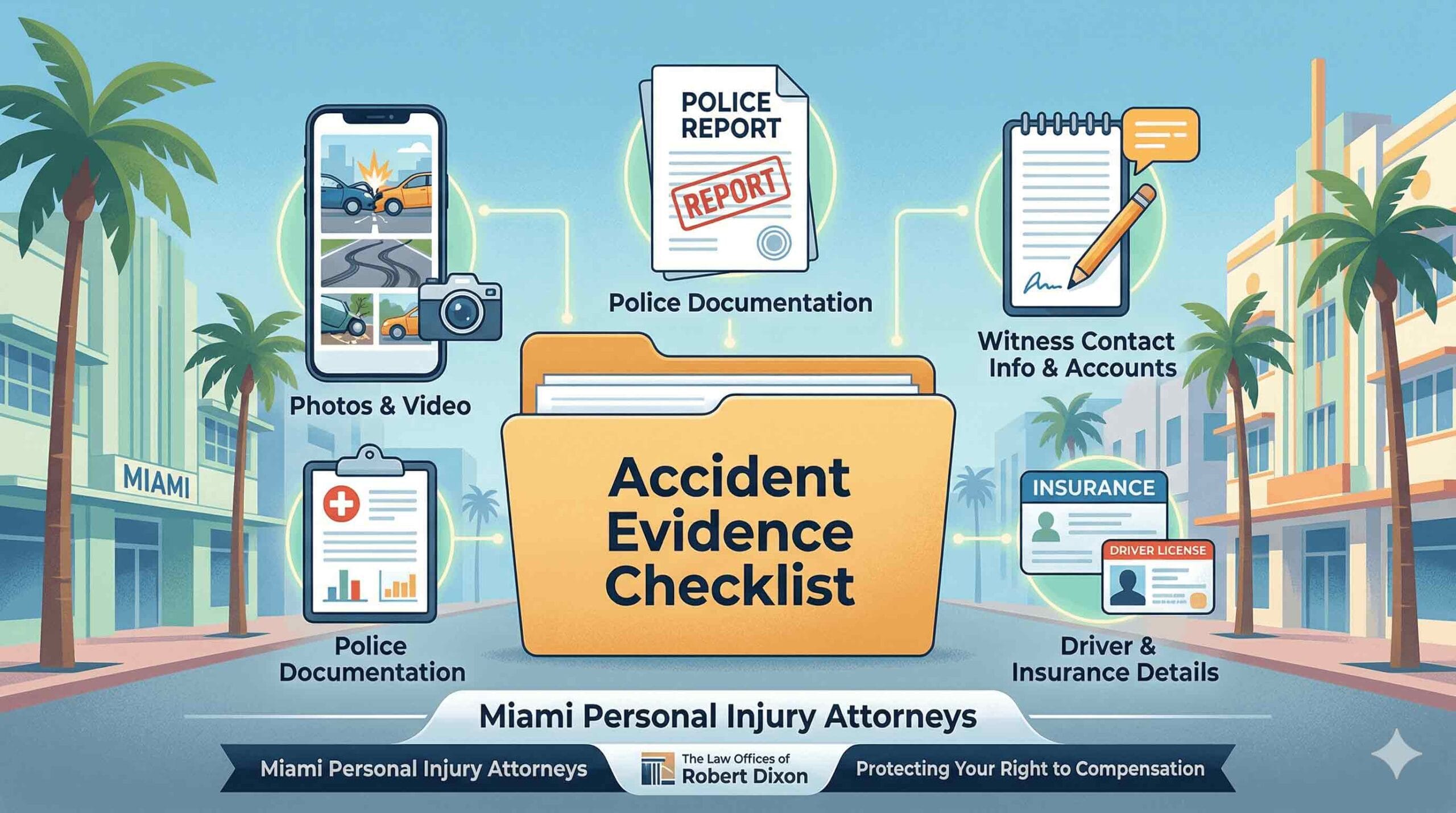
Accident Reports: Official police reports and scene photographs.
Electronic Data: Cell phone logs and vehicle “black box” data.
Compiling this documentation is essential for accurately calculating your total damages. Your attorney will manage this extensive paperwork to ensure nothing is overlooked.
Depositions: Providing Sworn Testimony
Depositions are one of the most critical stages of the investigation. A deposition is an in-person, formal interview where individuals involved in the case provide sworn, out-of-court testimony. A court reporter is present to transcribe every word spoken.
During a deposition, defense lawyers will ask you detailed questions about the crash, your driving history, and the daily impact of your injuries. Witnesses, police officers, and medical experts may also be deposed to strengthen the case.
Because you are under oath, preparing for a deposition can be intimidating. A skilled attorney will conduct practice sessions with you beforehand, ensuring you remain calm, confident, and consistent in your testimony.
How Evidence Shapes Discovery in Car Accident Cases
Thoroughly executing the discovery phase is what separates successful claims from denied ones. It is the designated time when attorneys collect, analyze, and lock in vital facts. Without it, holding negligent parties accountable would be nearly impossible.
Securing irrefutable evidence is the key to forcing insurance companies to the negotiating table. When we uncover video footage or secure expert testimony affirming your injuries, the defense loses their leverage.
Additionally, the Florida Rules of Civil Procedure permit the defendant to request an Independent Medical Examination (IME). This means you may be required to see a doctor chosen by the defense. Your lawyer will monitor this process closely to ensure the defense doctor does not unfairly minimize your legitimate injuries.
Common Causes of Crashes in South Florida
Understanding why a crash happened dictates how your legal team will approach the investigation. South Florida highways are notoriously congested and fast-paced. Negligence behind the wheel takes many dangerous forms.
Leading Types of Driver Negligence
Most collisions are completely preventable. The most frequent causes of catastrophic crashes in our area include:
Distracted Driving: Looking at phones, adjusting GPS devices, or talking to passengers.
Driving Under the Influence (DUI): Operating a vehicle while impaired by alcohol or drugs.
Aggressive Driving: Speeding, tailgating, and weaving recklessly through traffic.
Fatigued Driving: Commercial truck drivers or commuters falling asleep at the wheel.
Types of Injuries Sustained
The physical toll of a violent collision can be permanent. Victims frequently suffer from conditions that require lifelong medical care. Common severe injuries include:
Traumatic Brain Injuries (TBI): Ranging from mild concussions to severe cognitive impairment.
Spinal Cord Damage: Causing partial or complete paralysis and chronic pain.
Internal Organ Damage: Life-threatening internal bleeding that requires emergency surgery.
Orthopedic Injuries: Complex bone fractures and torn ligaments requiring extensive rehabilitation.
How Liability is Determined After a Crash
To successfully recover compensation, your attorney must legally prove that the other driver was at fault. This involves establishing four specific legal elements under personal injury law.
Duty of Care and Breach of Duty
First, we must prove the defendant owed you a duty of care. Every motorist has a legal obligation to drive safely and follow traffic laws. Next, we must prove a breach of duty, meaning the driver failed to act responsibly—such as by running a red light.
Causation and Damages
Third, we must establish causation, proving that the defendant’s specific breach directly caused your collision. Finally, we must demonstrate that you suffered actual damages, such as bodily injury or financial loss, as a result of the crash.
It is also important to understand Florida’s rule of comparative negligence. If you are found to be partially at fault for the crash, your compensation may be reduced by your percentage of blame. A robust investigation helps protect you against unfair allegations of shared fault.
Crucial Steps to Take After an Accident
The actions you take immediately following a collision can significantly impact your future legal claim. Taking the right steps helps preserve vital information before it disappears.
Seek Immediate Medical Attention: See a doctor immediately, even if you feel fine. Adrenaline masks pain, and a delayed diagnosis can hurt both your health and your case.
Call Law Enforcement: Always request police at the scene to generate an official accident report.
Document the Scene: If you are physically able, take photos of vehicle damage, skid marks, and road conditions.
Never Admit Fault: Do not apologize to the other driver or admit guilt to the police. Stick only to the objective facts.
Avoid the Insurance Company: Do not give a recorded statement to the at-fault driver’s insurance adjuster without your lawyer present.
Why Prompt Legal Action is Necessary
Florida imposes a strict statute of limitations on personal injury and wrongful death lawsuits. If you fail to file your lawsuit within this legal deadline, you permanently lose your right to seek compensation.
Memories fade, witnesses relocate, and physical debris is cleared away quickly. Hiring an attorney immediately ensures that the investigation can begin while the facts are still fresh. From the initial filing to the final settlement, having a dedicated advocate levels the playing field against powerful insurance corporations.
Contact a Trusted Miami Motorcycle Crash Attorney Today
Drivers who fail to exercise proper care on South Florida roadways must be held accountable for the devastation they cause. You do not have to navigate the complex legal system alone while struggling to recover from severe injuries.
Let the skilled, empathetic team at The Law Offices of Robert Dixon handle the insurance companies and aggressively fight for the maximum compensation you deserve.