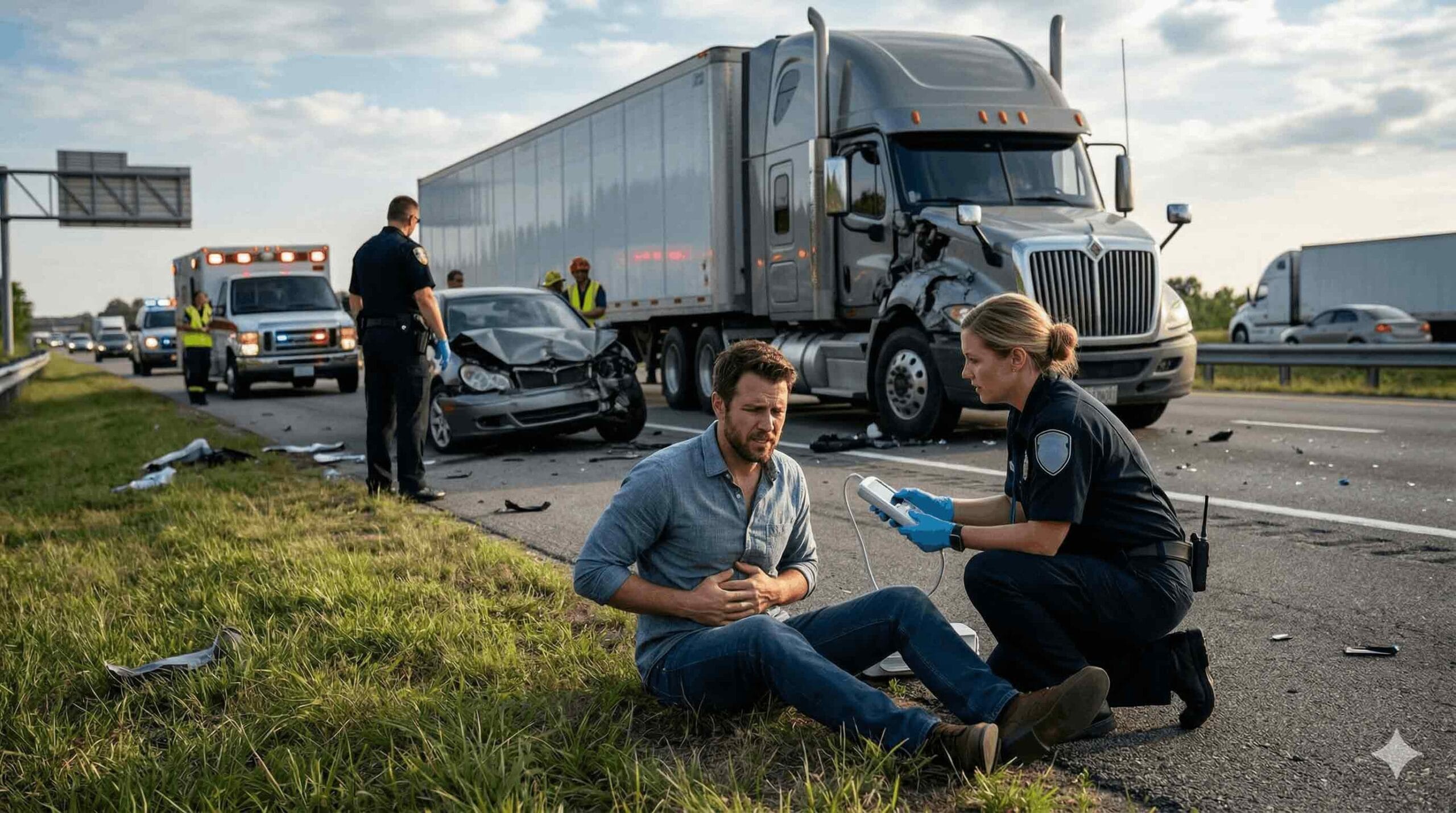
A sudden medical emergency following a severe accident is a terrifying experience for victims and their families. When a collision or fall is so violent that it causes a traumatic cardiac arrest, the consequences are often catastrophic and life-altering. Unlike a traditional heart attack caused by internal disease, this condition is directly triggered by an external, violent force.
Each year, hundreds of thousands of people suffer cardiac events, but trauma-induced cases require highly specialized medical and legal attention. The physical, emotional, and financial toll on families is immense, especially when the event was caused by another person’s reckless behavior.
If you or a loved one are facing the devastating aftermath of such an injury, you do not have to fight the insurance companies alone. The compassionate team at the Law Offices of Robert Dixon is dedicated to helping South Florida families navigate these complex legal claims. We aggressively protect your rights while you focus on healing and recovery.
Understanding Traumatic Cardiac Arrest After an Accident
To build a successful personal injury claim, it is crucial to understand the medical reality of your condition. A standard cardiac arrest happens when the heart’s electrical system malfunctions. However, a traumatic arrest is an entirely different mechanism of injury.
How External Trauma Stops the Heart
A traumatic arrest occurs when a severe, sudden impact or penetrating injury forces the heart to stop pumping blood to the body. This is a critical medical emergency with a high fatality rate. It is often caused by massive blood loss (exsanguination), tension in the chest cavity (pneumothorax), or extreme pressure around the heart muscle (cardiac tamponade).
Because the brain is deprived of oxygen during this time, survivors frequently face profound, lifelong neurological complications.
The Hidden Danger of Cardiac Contusions
Sometimes, the initial impact does not immediately stop the heart. Instead, an accident will cause traumatic cardiac contusions, which are severe bruises to the heart muscle itself.
Unfortunately, these dangerous contusions are not always readily diagnosable in an emergency room setting. Symptoms like severe chest pain, shortness of breath, and bruising can mimic other common collision injuries, like broken ribs. Seeking immediate and continuous medical attention is imperative to ensure hidden damages are diagnosed before they trigger a delayed cardiac event.
Common Causes of Traumatic Cardiac Arrest
Determining the root cause of the accident is the foundation of any personal injury or wrongful death claim. A traumatic arrest rarely happens without an extreme level of force. These devastating injuries typically stem from severe negligence in various settings.
High-Speed Motor Vehicle Collisions
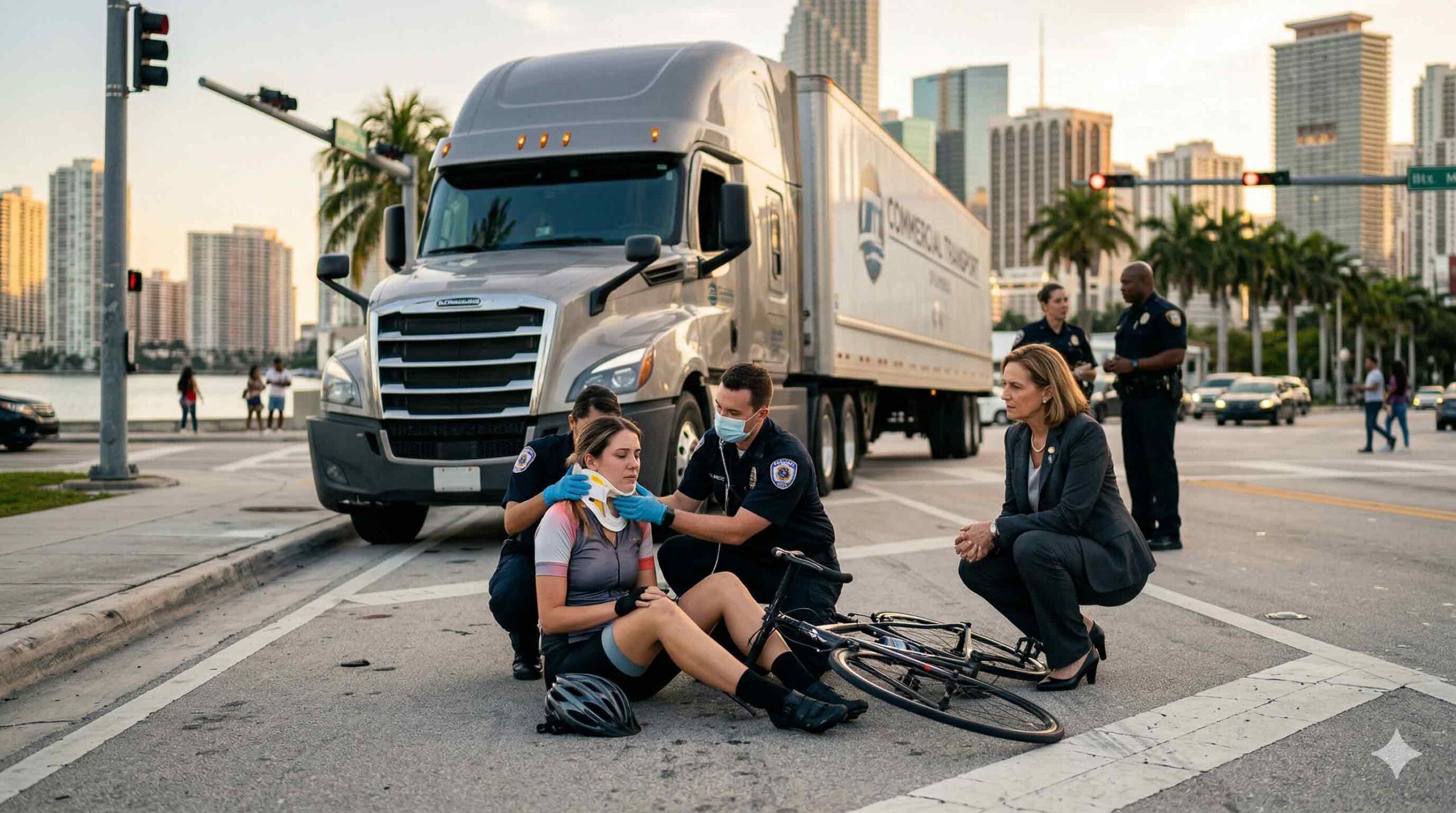
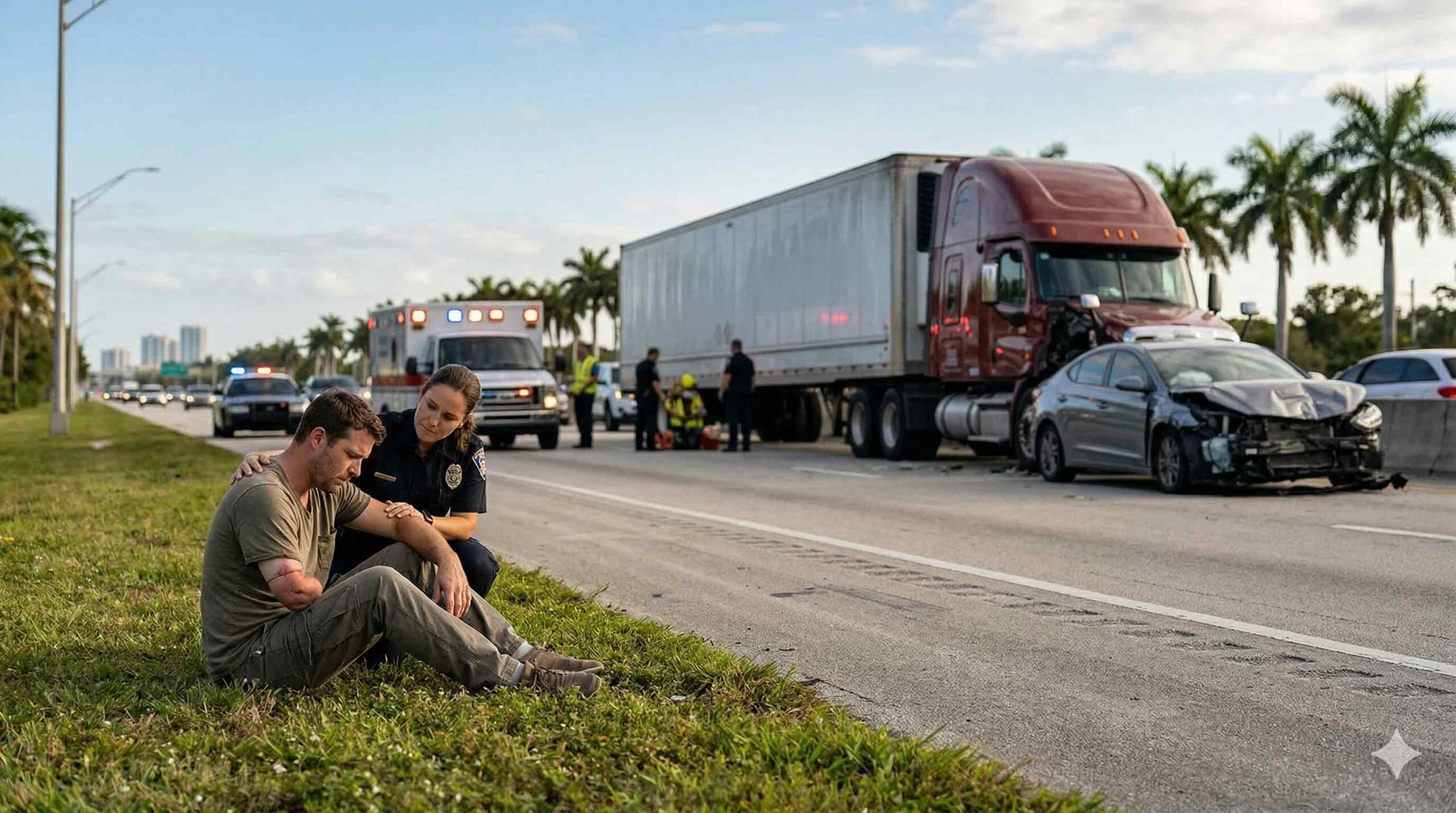
Car, truck, and motorcycle accidents are among the leading causes of trauma-induced cardiac events. When a victim is violently propelled against a steering wheel, dashboard, or deployed airbag, the blunt force trauma to the chest can instantly disrupt the heart’s function. In catastrophic wrecks, shattered glass or twisted metal can also penetrate the thoracic area, leading to immediate heart failure.
Slip and Falls and Premises Liability
Property owners have a legal obligation to keep their premises safe. When they fail to address known hazards, the results can be deadly. A high-altitude fall from a construction site, a severe slip on a poorly maintained stairwell, or a crushing injury from falling merchandise can easily generate enough blunt force to stop a victim’s heart.
Defective Products and Workplace Hazards
Consumers and workers have the right to assume the products and machinery they use are reasonably safe. Malfunctioning heavy machinery, defective vehicle seatbelts, or poorly designed industrial equipment can cause catastrophic crushing injuries to the chest. In these instances, manufacturers or third-party contractors may be held strictly liable for the resulting damages.
Types of Injuries Linked to Traumatic Cardiac Arrest
Surviving a trauma-induced cardiac event is an absolute miracle. However, the road to recovery is frequently fraught with immense challenges, as the body sustains secondary injuries while the heart is stopped.
Victims often endure a wide range of catastrophic injurys that require around-the-clock medical care.
Hypoxic and Anoxic Brain Injuries
When the heart ceases to pump, oxygen-rich blood stops flowing to the brain. Even a few minutes of oxygen deprivation can cause permanent, irreversible brain damage. Survivors may suffer from cognitive deficits, memory loss, speech impediments, and a total loss of independent motor function.
Organ Failure and Long-Term Disability
The lack of blood flow during an arrest affects every major system in the body. Kidneys and livers are particularly susceptible to damage during these extreme drops in blood pressure. Many victims require lifelong dialysis, specialized rehabilitation, and extensive home modifications to adjust to their new physical limitations.
Determining Liability in Traumatic Cardiac Arrest Cases
The long-term effects of these accidents include years of physical rehabilitation, lost wages, and overwhelming medical debt. Filing a successful personal injury lawsuit against the at-fault party is often the only way a family can survive the financial ruin caused by the accident. To win your case, your attorney must prove negligence.
Establishing the Duty of Care
The first step in a negligence claim is proving the defendant owed you a “duty of care.” In legal terms, this means they had a responsibility to act as a reasonable and prudent person would under similar circumstances. For example, all motorists owe a duty of care to drive safely, obey traffic laws, and remain attentive behind the wheel.
Proving Breach of Duty and Causation
Next, we must prove that the defendant breached that duty through a specific negligent act. If a commercial truck driver runs a red light while texting and strikes your vehicle, they have breached their duty of care.
Crucially, your lawyer must then establish “causation”—proving that the defendant’s specific breach directly caused your chest trauma and subsequent cardiac event.
Navigating Florida’s Comparative Negligence Laws
Insurance companies will routinely attempt to blame the victim to avoid paying a massive settlement. They may argue you were speeding or distracted at the time of the crash.
Florida operates under a modified comparative negligence system. This means you can still recover financial compensation as long as you are not more than 50% responsible for the accident. However, your total compensation will be reduced by your percentage of fault. An elite attorney will fiercely combat these defense tactics to protect your financial recovery.
Steps to Take After an Accident Leading to Cardiac Arrest
The moments and days following a severe accident are deeply chaotic. The actions taken by the victim’s family can make or break a future legal claim.
1. Prioritize Emergency Medical Intervention
Immediate, aggressive medical intervention is the only priority at the scene of a catastrophic accident. Ensure that emergency medical services (EMS) are dispatched immediately. The medical records generated by paramedics and ER doctors will serve as the most vital pieces of evidence linking the trauma to the cardiac event.
2. Preserve Evidence and Documentation
If family members or uninjured passengers are present, it is vital to preserve the scene. Take high-resolution photographs of the vehicles, the surrounding area, and any visible hazards. Collect the names and contact information of all eyewitnesses and responding police officers. Never throw away bloody clothing, shattered helmets, or the victim’s damaged personal items, as these can prove the velocity and angle of impact.
3. Reject Early Insurance Settlement Offers
Insurance adjusters are notorious for approaching grieving or overwhelmed families with fast, lowball settlement offers. Accepting an early check often requires you to sign away your right to pursue further compensation. Never provide a recorded statement or accept an offer without consulting a seasoned legal professional first.
Navigating the Florida Statute of Limitations
The legal system does not allow you an unlimited amount of time to file a lawsuit. This strict deadline is known as the statute of limitations.
In Florida, recent changes to the law mandate that most standard personal injury lawsuits based on negligence must be filed within two years from the date of the accident. If the victim tragically passes away, surviving family members have two years from the date of death to file a wrongful death claim.
Failing to file your lawsuit before this deadline expires will permanently destroy your right to seek justice. Evidence disappears quickly, and witnesses forget critical details, so engaging legal counsel immediately is absolutely essential.
Contact a Trusted Miami Traumatic Cardiac Arrest Attorney Today
Drivers who fail to exercise proper care on South Florida roadways must be held accountable for the devastation they cause. You do not have to navigate the complex legal system alone while struggling to recover from severe injuries.
Let the skilled, empathetic team at The Law Offices of Robert Dixon handle the insurance companies and aggressively fight for the maximum compensation you deserve. Contact us today for a completely free, confidential case evaluation.